From Field to Display: The Right Way to Clean a Deer Skull
Whether you're preserving a trophy or preparing a skull for crafting, the cleaning method matters more than most people realize.
A skull is a record. It holds the structure, age, and character of an animal — and once cleaned properly, it can last generations. Done poorly, the same skull can crack, yellow, or hold odors for years.
Proper cleaning is about more than appearance. The right method preserves bone density, prevents grease from setting deep in the structure, and protects the delicate features hunters and crafters actually want to keep — the nasal turbinates, suture lines, and tooth roots.
There are several ways to clean a skull. They are not equal. The method you choose determines the final result more than skill or luck ever will.
Common Methods for Cleaning a Deer Skull
1. Boiling
Quick but risky
- Can damage bone structure and loosen teeth
- Drives grease deep into the bone, causing yellowing later
- Often leads to brittle, cracked skulls over time
2. Maceration (Water Decomposition)
Effective but unpleasant
- Uses bacteria and time to break down tissue
- Very thorough, but extremely odor-heavy
- Requires patience and controlled conditions
3. Burying
Natural but unpredictable
- Risk of losing small bones like nasal pieces
- Insects, rodents, and soil acidity can cause damage
- Long timeframe with inconsistent results
Precision Cleaning — Why Beetles Are the Preferred Method
Dermestid beetles are nature's detail crew. They eat only organic tissue — never the bone itself — which is exactly why museums, taxidermists, and professional skull cleaners trust them.
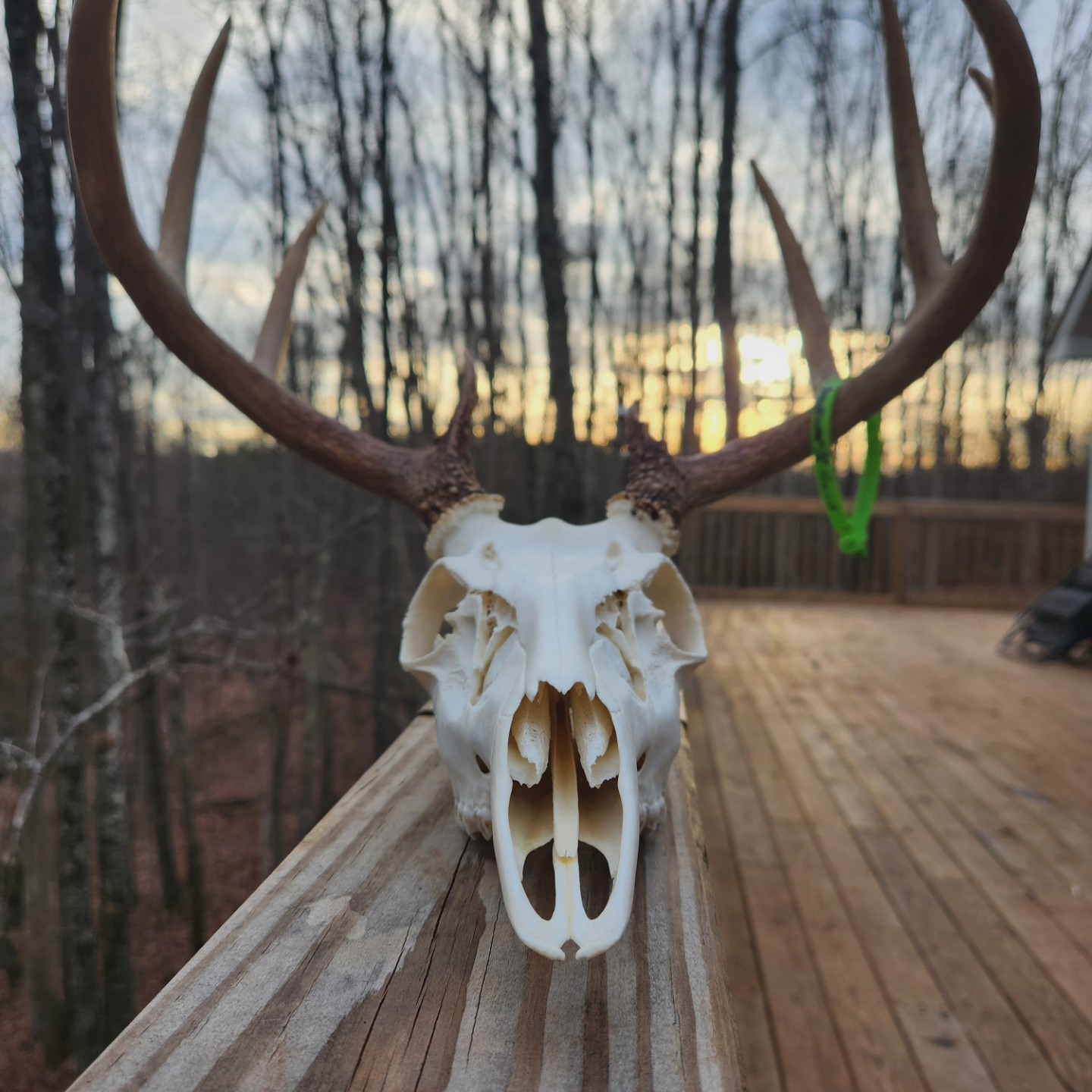
The result is a skull that looks the way it's supposed to look: clean, natural, and structurally intact down to the finest nasal detail. No boiling damage. No chemical breakdown. Nothing forced.
- No bone damage
- Preserves fine detail
- No grease locking
- Professional-quality results
The Difference in Final Results
A DIY cleaning typically trades short-term speed for long-term damage. Boiled skulls often look acceptable on day one, then yellow, crack, or develop loose teeth within months. Buried skulls can come up incomplete or stained.
Professionally beetle-cleaned skulls hold their color, retain the full structure of the nasal cavity, and stand up to mounting and display without ongoing issues. The difference compounds over time.
Who This Is For
- Hunters preserving trophies
- Outdoorsmen wanting clean European mounts
- Crafters and artisans using bone material
- Collectors looking for high-quality specimens
See the Difference for Yourself
Browse real examples of professionally cleaned skulls and finished pieces.
View Beetle Cleaned Catalog