
Boiling vs Beetle Cleaning: What's Better for Skull Preservation?
A direct, side-by-side look at the two most common skull cleaning methods — and the difference time reveals.
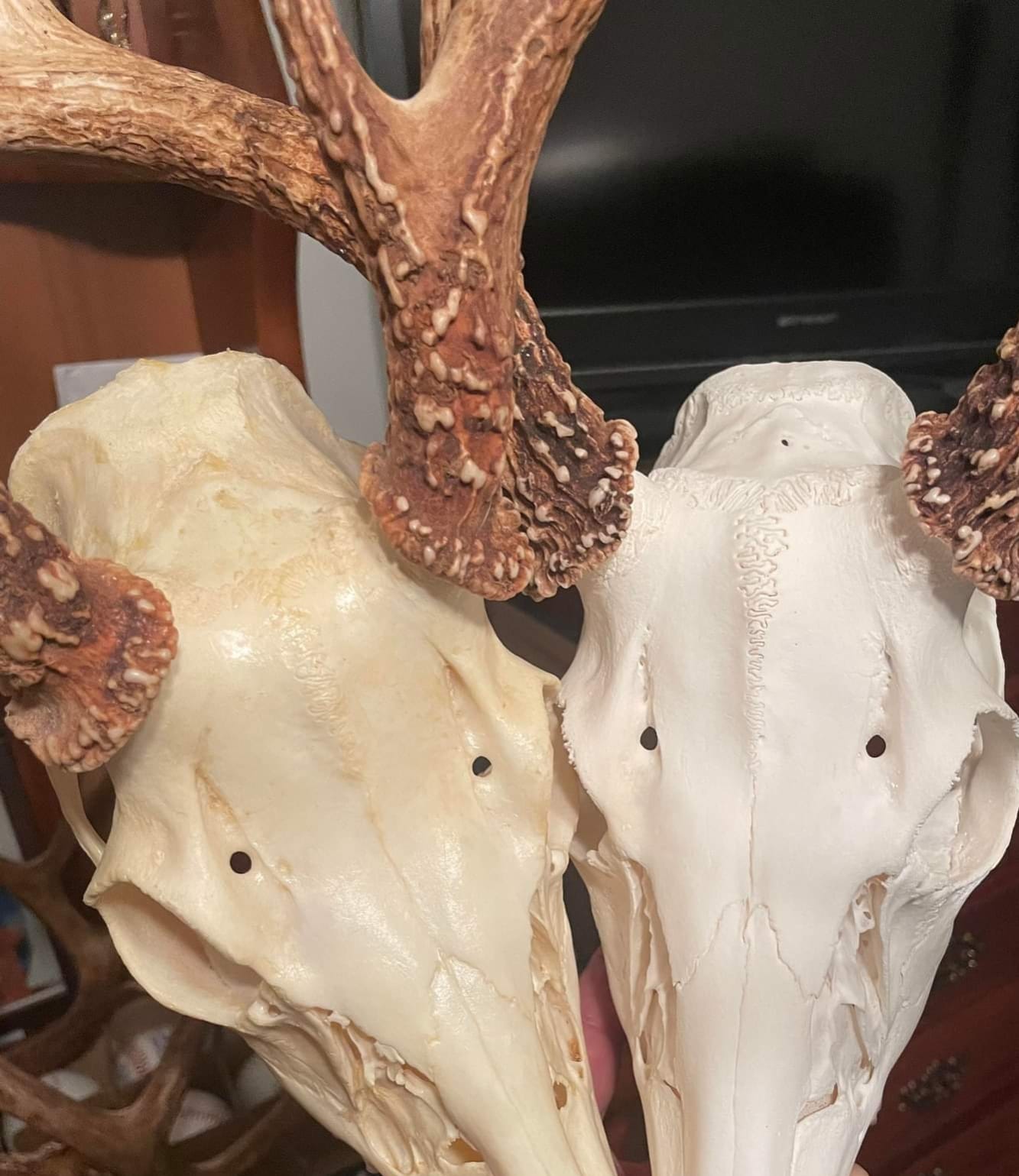
Boiling and beetle cleaning are the two methods most hunters consider. On the surface they aim for the same result — a clean white skull. In practice, they leave very different specimens behind.
Direct Comparison
Boiling
Fast, but costly long-term
- High heat damages bone structure
- Drives grease deep into the skull
- Loosens and cracks teeth
- Often yellows or stains within months
Beetle Cleaning
Slower, but precise and durable
- Removes only organic tissue, never bone
- Preserves nasal turbinates and fine detail
- No grease locking or color shift
- Holds up cleanly for decades with basic care
Long-Term Effects You Don't See on Day One
A boiled skull can look acceptable the day it's done. The problems show up later — yellowing as locked-in grease seeps back out, fractures along the nasal bridge, and teeth that come loose with handling.
Beetle-cleaned skulls don't go through that decline. Because no heat or chemicals were used, there's nothing left in the bone to break down. The skull you see at year one is the skull you'll see at year ten.
Visual Differences
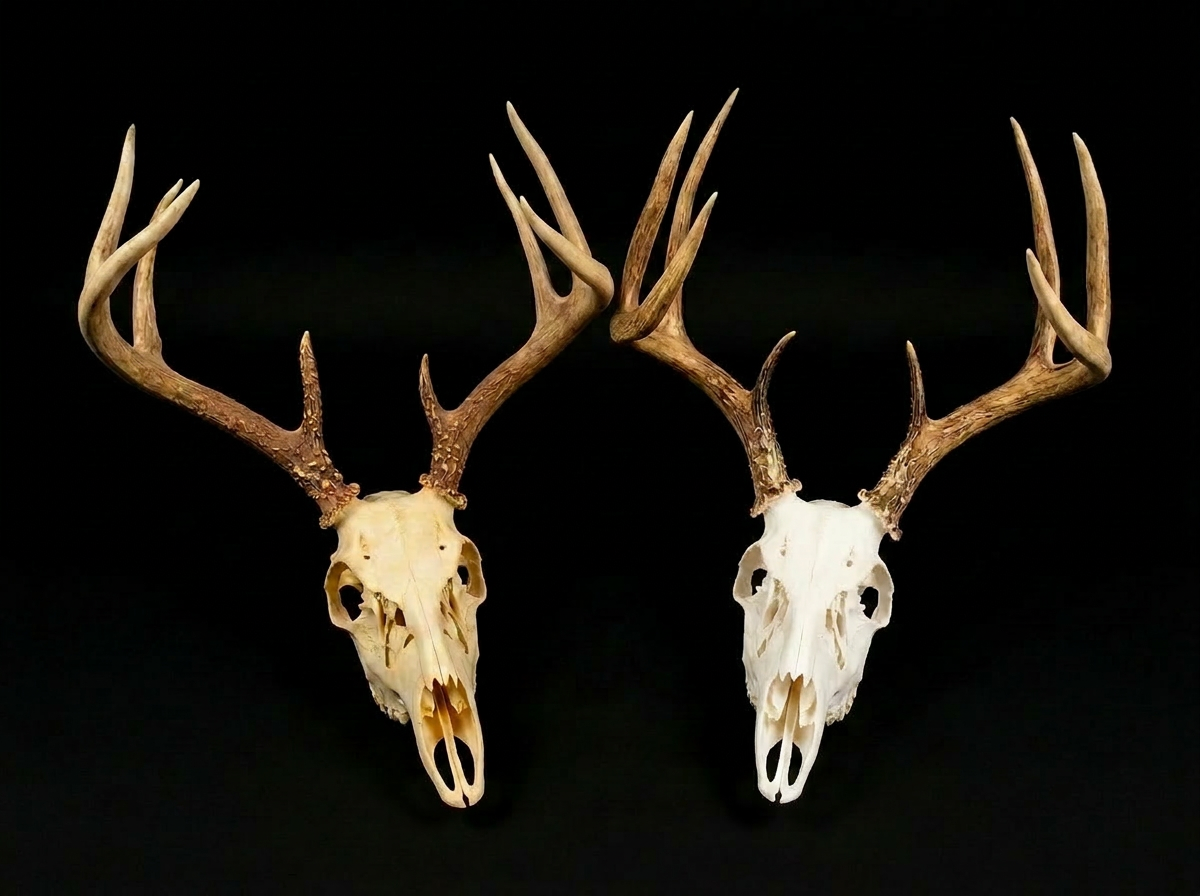
- Boiled: chalky tone, often uneven yellowing
- Boiled: visible cracks along sutures and nasal bridge
- Beetle: natural off-white, even color throughout
- Beetle: full nasal cavity and fine bone detail intact
Compare Real Results
See finished work side by side — beetle-cleaned skulls and finished pieces from the workshop.
View Catalog